
Nourishing the body and soul with KITCHARI

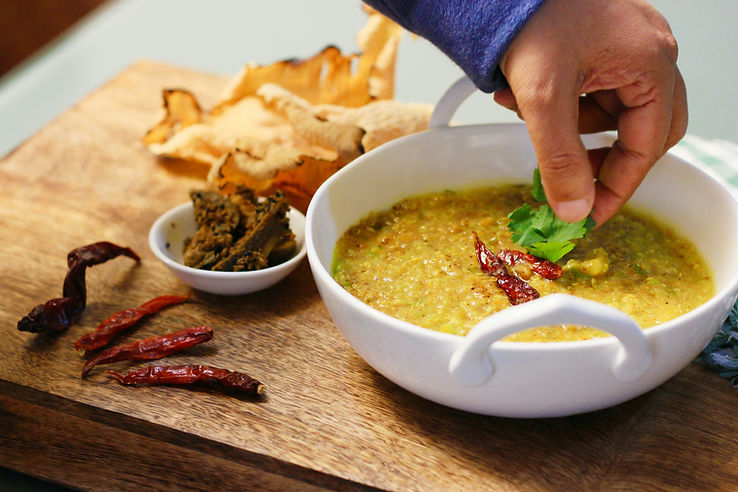
There’s a reason Ayurveda calls kitchari the “food of recovery.” Simple, grounding, and deeply restorative, this humble bowl of rice and mung dal has been a cornerstone of Ayurvedic healing for thousands of years. It’s comfort food in its truest form, gentle on the belly, calming for the mind, and balancing for all three doshas. It's also a complete protein, easy to make and CHEAP. Something we could all do a bit of right now consdiering the cost of rising foor prices. You can make enough for a couple of days and switch up the vegetables. Sauted zucchini, roast root veg, broiled cauliflower, sauted kale. The opportunities are endless.
Kitchari is a good choice, especially when we’re unwell, run down, or simply overstimulated by life when our agni (digestive fire) weakens. The body can no longer process heavy or complex foods with ease, and ama (toxins) begin to build up. Kitchari steps in as both nourishment and medicine. Light enough to digest, yet rich in the nutrients our cells crave for repair.
(I went on a 5 day ktichari cleanse during my epsiode of pneumonia last week)
🌼 Why Kitchari Heals
Each ingredient in kitchari plays a sacred role:
Mung dal (split yellow mung beans) is gentle on the stomach and easy to assimilate.
Basmati rice offers grounding comfort and balances Vata’s airy quality.
Spices like cumin, ginger, and turmeric kindle agni, clear stagnation, and help flush out ama.
Ghee nourishes the tissues, soothes inflammation, and builds ojas - our body’s vital essence, immunity, and glow.
When cooked together with love and intention, these ingredients become a complete meal, balancing, cleansing, and deeply rejuvenating.
🍲 Classic Ayurvedic Kitchari Recipe
Serves: 2–3
Time: 35–40 minutes
Ingredients
½ cup split yellow mung dal (soaked for at least 1 hour or overnight)
½ cup basmati rice
1 tablespoon ghee or coconut oil
½ teaspoon cumin seeds
½ teaspoon mustard seeds (optional)
½ teaspoon ground turmeric
½ teaspoon ground coriander
½ teaspoon ground cumin
½ teaspoon grated fresh ginger (or ¼ teaspoon dried)
4–5 cups warm water or vegetable/chicken broth (add more for a soupy texture)
Sea salt to taste
Fresh cilantro for garnish
Optional: seasonal vegetables such as carrots, zucchini, or spinach
Directions
Rinse the mung dal and rice until the water runs clear.
Warm the ghee in a heavy-bottomed pot. Add cumin and mustard seeds, letting them pop for a few seconds.
Add the turmeric, coriander, cumin, and ginger. Stir for a few moments until fragrant.
Stir in the drained mung dal and rice, coating them in the spices.
Add the water or broth, bring to a boil, then reduce to a gentle simmer.
Cook uncovered for 30–40 minutes, stirring occasionally, until soft and creamy. Add more liquid as needed.
Season with salt and top with fresh cilantro and a drizzle of ghee.
🌿 How to Enjoy
Serve warm and eat slowly and mindfully with gratitude.


Comments